Arthritis Treatment in the Philippines: A Smarter, Long-Term Approach to Joint Pain
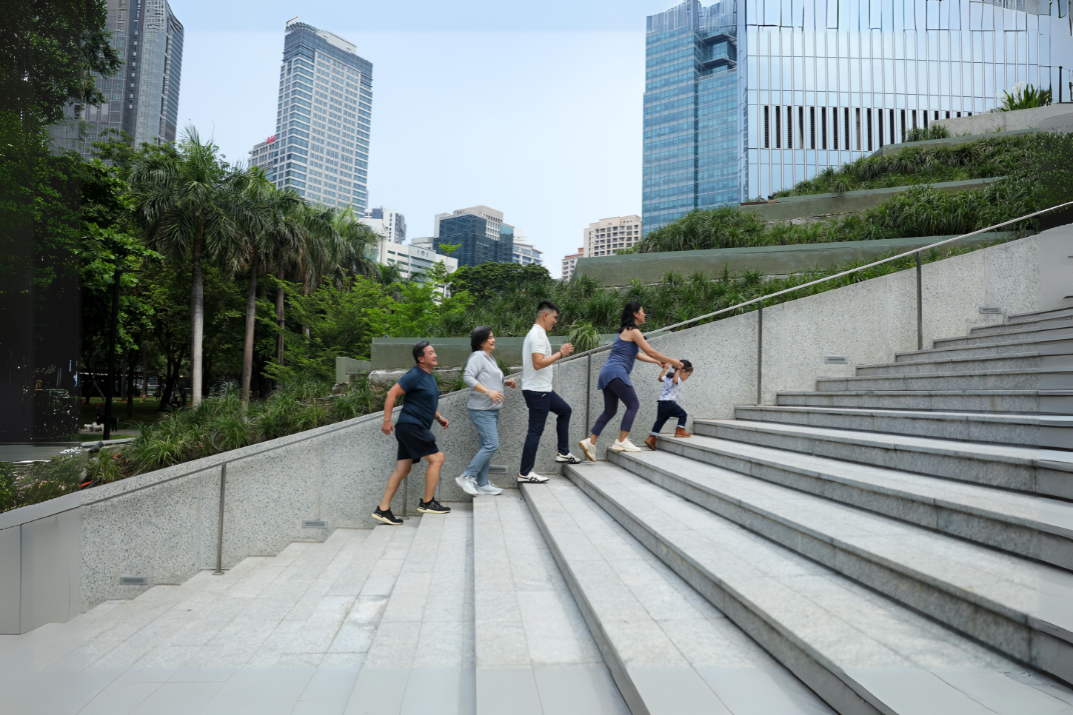
If you are reading this, you are probably past the point of hoping the joint stiffness will sort itself out. Maybe it is a knee that protests every time you take the stairs at Glorietta. A wrist that locks up mid-presentation. Hips that make the morning commute from Alabang feel longer than it already is. Whatever the joint, the pattern is familiar: you have been managing it quietly, and it is starting to cost you.
Arthritis treatment in the Philippines has improved considerably — yet most patients still arrive at Intercare having been told to take painkillers, lose weight, and wait. That advice is incomplete at best. Current evidence supports a structured, non-surgical approach that keeps you functional, active, and in control of your condition rather than just reacting to flare-ups.
This guide covers the clinical reality of arthritis, how chiropractic care fits into a modern management strategy, and five evidence-informed daily habits you can act on immediately.
Why Arthritis Is More Prevalent in Metro Manila Than Most People Realize
Arthritis is an umbrella term for over 100 joint conditions. The two most common — osteoarthritis (OA) and rheumatoid arthritis (RA) — are both rising in urban Filipino populations, and the lifestyle of Metro Manila’s professional class accelerates the timeline significantly.
The contributing factors are predictable once you map them against a typical workday:
-
Eight to ten hours seated in BGC, Makati, Ortigas, or Alabang office towers — joints held static under load, synovial fluid unable to circulate
-
One to three hours in transit along EDSA or C5, hips and knees compressed in a fixed position
-
Screen-forward posture that shifts mechanical load onto the cervical spine, shoulders, and upper back
-
Vitamin D insufficiency — counterintuitively common among indoor professionals in the Philippines despite the climate
-
Excess body weight adding roughly 4 kg of force per kilogram to the knee joint with every step
-
Repetitive fine motor demands — extended typing, touchscreen use, and mouse work that quietly stress the small joints of the hand
Arthritis does not arrive suddenly. It accumulates across years of repeated small insults to the joint — which is precisely why a proactive management strategy outperforms reactive pain management every time.
The Science Behind ‘Lamig’: Why Philippine Weather Genuinely Affects Your Joints
Many patients mention increased joint pain with the onset of the rainy season and are relieved to learn it is not psychosomatic. The mechanism is well-documented.
As a typhoon or low-pressure system approaches, barometric pressure drops. For joints already compromised by arthritis, this pressure change allows the periarticular tissues to expand slightly — enough to increase nerve sensitivity and produce a recognizable dull, aching pain. Cooler habagat temperatures compound this by causing muscle tightening and reduced circulation to peripheral joints.
You cannot change the weather. But maintaining consistent movement, warmth, and the habits outlined in this guide during these periods substantially reduces the severity and duration of seasonal flare-ups.
Understanding the Main Types of Arthritis
Arthritis is a symptom pattern, not a single diagnosis. The appropriate treatment approach depends entirely on which type you have — which is why a clinical assessment before beginning any care plan matters.

Different Presentations in Filipino Men and Women — and Why It Matters for Treatment
Arthritis affects both sexes but tends to present along different clinical lines within the local population. Understanding your pattern improves the precision of your management approach.
Filipino Men: Gout and Metabolic Joint Disease
Gouty arthritis is by far the most common joint condition presenting in Filipino men, typically beginning after age 30. The condition is metabolic in origin — elevated uric acid crystallises in peripheral joints — but it is heavily influenced by dietary patterns, alcohol consumption, and genetics.
-
The joints most commonly affected: The base of the big toe, ankles, and knees — usually presenting as sudden, severe, overnight attacks rather than gradual onset pain.
-
The lifestyle connection: High purine intake from sisig, organ meats (bopis, isaw), sardines, and regular beer consumption drives uric acid levels above the crystallisation threshold. The inuman culture, combined with a genetic predisposition common among Filipinos, makes this a clinically significant pattern.
Filipino Women: Rheumatoid Arthritis and Post-Menopausal Osteoarthritis
For women, the picture is often more complex and warrants earlier attention.
-
The RA window: Rheumatoid arthritis disproportionately affects Filipinas between ages 30 and 50 — during peak professional and family responsibilities. The signature presentation is symmetrical swelling and prolonged morning stiffness in the small joints of the hands and wrists. Typing through a full day of work, gripping a steering wheel, or opening a jar can become genuinely painful.
-
The post-menopausal shift: Declining oestrogen after menopause accelerates cartilage breakdown in the knees and fingers. Women who have spent decades carrying heavy bags or navigating Manila’s transit infrastructure on hard concrete surfaces often present with significant OA earlier than their male counterparts.
Normal Joint Aging vs. Osteoarthritis: Knowing the Difference
Persistent joint pain is not simply the price of getting older. Joints do change with age, but significant functional limitation is not inevitable — and accepting it as such delays treatment that can genuinely help.

Seek medical evaluation promptly if you notice:
-
Joint swelling, redness, or warmth persisting more than a few days
-
Symmetrical joint pain and swelling in both hands, wrists, or feet
-
Morning stiffness lasting consistently longer than one hour
-
Unexplained fever, unintentional weight loss, or systemic fatigue alongside joint pain
-
Sudden severe pain in a hot, red joint — particularly if gout or infection is possible
Go to the emergency room immediately if you experience:
A single hot, swollen joint accompanied by fever — this pattern can indicate a septic joint infection, which is a medical emergency requiring immediate evaluation.
When to Seek a Professional Assessment
Not every ache warrants an immediate clinic visit. However, consider booking an evaluation at Intercare’s Greenhills, BGC, Makati, or Alabang branches if any of the following apply:
-
Joint symptoms have persisted beyond six weeks without meaningful improvement
-
Morning stiffness consistently exceeds 30 minutes
-
A joint has visibly changed shape, developed a persistent swelling, or noticeably lost range of motion
-
Pain is disrupting sleep quality, work performance, or daily function
-
You have started modifying or avoiding activities — sport, exercise, social commitments — because of joint discomfort
-
A previously injured joint is progressively worsening
For osteoarthritis and mechanical joint conditions, conservative care — including chiropractic assessment, manual therapy, and structured exercise prescription — is recognised as a first-line approach by NICE, the American College of Rheumatology, and the Osteoarthritis Research Society International (OARSI).
Five Daily Habits That Protect Your Joints — Backed by Evidence, Not Opinion
These are the habits Intercare’s clinical team discusses with arthritis patients across our Metro Manila branches every week. They are not a substitute for professional care when that is warranted — but applied consistently, they produce measurable improvements in pain, function, and joint longevity.
-
Move Every Joint, Every day
Stiff joint get stiffer when you rest them – movement is the fix
Why it works: Your joints stay nourished through movement, not rest. When you sit still for hours — whether at a desk, in traffic, or on the couch — your joints stop getting the fluid they need and start to stiffen. The old advice to rest a painful joint usually makes things worse over time.
Try this: Every morning, spend five minutes gently moving each major joint: neck rolls, shoulder circles, wrist rotations, hip circles, knee bends, ankle rolls. Ten slow reps each. Do it while your coffee brews so it becomes part of the routine. No pain — just easy, comfortable movement to start the day.
-
Lighten the Load on Your Knees
Even small weight changes make a difference
Why it works: Every extra kilogram you carry puts about four kilograms of pressure on your knees with every step. Lose five kilograms and your knees feel it immediately — that is 20 kilograms less force on each step, thousands of times a day. Small changes add up faster than most people expect.
Try this: You do not need a strict diet. Start by cutting sweetened drinks — sago’t gulaman, commercial iced coffee, soda. Swap them for water or unsweetened tea. Build your meals around protein and vegetables first, then rice. Aim to lose around half a kilogram a week — slow and steady, nothing drastic.
-
. Fix How You Sleep
Your spine is loaded for 6–8 hours every night — small adjustments make a real difference
Why it works: Most people with lower back pain sleep in positions that increase spinal stress without realising it. Stomach sleeping forces the lumbar spine into extension and rotates the neck for hours. Side sleeping with unsupported knees drops the top hip forward and torques the lower back. Back sleeping without knee support flattens the lumbar curve. These hours of cumulative nightly strain are often what make morning pain and stiffness so consistent.
Try this: Side sleeper — slide a pillow between your knees tonight. Back sleeper — place a pillow under your knees. Stomach sleeper — try hugging a body pillow on your side instead. Small change, big difference. Most patients notice less morning stiffness within a week. These adjustments typically take 1–2 weeks to feel fully natural.
-
Eat to Calm Your Joints
The right foods reduce inflammation — and you will feel it within a month
Why it works: Inflammation makes joint pain worse and speeds up damage over time. Certain foods genuinely help calm it down. Most people never try this lever — those who do usually notice a real difference within four to six weeks.
Try this: Add more of these to your regular meals: tuna, salmon, tamban, tunsoy, tahong, leafy greens, berries, tomatoes. Cook with ginger, turmeric (luyang dilaw), and garlic — all of them have solid research behind them. Cut back on fried food, processed snacks, and sugary drinks. If you have gout, go easy on red meat and alcohol and check with your doctor before making big dietary changes.
5. Wear Proper Shoes Outside the House
Your joints feel every step on Manila’s concrete — cushioning matters
Why it works: Metro Manila is hard on joints. Office lobbies, mall floors, MRT platforms, car parks — all hard concrete. Flat tsinelas and thin-soled shoes pass every bit of that impact straight to your knees and hips. Over thousands of steps a day, that adds up to a lot of unnecessary wear.
Try this: For anything outside the house — commuting, errands, the mall — wear shoes with a cushioned sole and firm heel support. Save flat sandals for inside the home only. If your knees are the main problem, ask the Intercare team about custom orthotics. It is a simple change that reduces joint stress immediately, with no recovery time needed.
How Chiropractic Care Fits Into a Modern Arthritis Treatment Plan
Chiropractic care is often mischaracterised as a treatment for acute back injuries. In practice, it plays a significant role in the long-term management of osteoarthritis — particularly in the spine, hips, knees, and shoulders — through a mechanism that goes beyond symptom relief.
When a joint affected by OA loses its normal movement mechanics, the surrounding musculature compensates — often inefficiently, creating secondary pain patterns that can be more disruptive than the primary joint itself. Chiropractic care targets these mechanical restrictions directly, restoring joint mobility, reducing compensatory muscle tension, and creating the conditions in which rehabilitation and strengthening work can be most effective.
The goal is not to reverse cartilage damage, which no conservative intervention currently achieves. The goal is to preserve functional mobility, reduce pain, improve the efficiency of daily movement, and slow the progression of joint dysfunction — keeping you active on your own terms for longer.
At Intercare’s Greenhills, BGC, Makati, and Alabang clinics, arthritis care begins with a thorough clinical evaluation of which joints are involved, how surrounding structures are compensating, and which daily activities are accelerating the problem.
Your first visit
-
Comprehensive health history — symptom timeline, prior injuries, medications, existing diagnoses, and relevant lifestyle factors
-
Physical examination — joint range of motion, strength, stability, gait analysis, and functional movement screening
-
Clinical recommendation — a personalised care plan, structured exercise prescription, lifestyle guidance, or referral to a rheumatologist or orthopaedic specialist when clinically indicate
Non-surgical treatment options at Intercare

For inflammatory arthritis — RA, psoriatic arthritis, ankylosing spondylitis — Intercare’s role is complementary to, not a replacement for, rheumatological medical management. Chiropractic and physical therapy optimise function and mobility while your specialist manages the underlying autoimmune process.
What to Expect: A Realistic Treatment Timeline
Arthritis is a chronic condition. The most valuable thing a clinical team can do is set expectations accurately rather than oversell short-term results.

Most patients with osteoarthritis report meaningful improvement in pain and functional capacity within four to eight weeks of consistent care combined with the five daily habits above. Sustained results depend on maintaining the lifestyle changes — not on indefinite passive treatment.
Frequently Asked Questions
Can chiropractic care cure arthritis?
No — and any practitioner who suggests otherwise should be viewed with scepticism. Arthritis involves structural changes that no conservative treatment currently reverses. What chiropractic care can achieve is clinically meaningful: reduced pain, preserved joint mobility, slower functional decline, and extended active years. For most patients, that is the realistic and worthwhile objective.
Can chiropractic care help with gout?
Chiropractic does not treat the underlying metabolic cause of gout — elevated uric acid — and a joint in active flare is never adjusted. However, once the acute episode resolves, chiropractic care and physical therapy are effective at restoring normal mechanics to the affected joint. This is important: patients who guard a post-gout ankle or toe tend to develop compensatory loading patterns that create secondary knee or lower back pain within weeks. Addressing joint mechanics early prevents that cascade.
What is the ‘cracking’ sound during an adjustment, and is it safe for arthritic joints?
The sound — termed cavitation — is the release of dissolved gas from synovial fluid when a restricted joint is rapidly mobilised. It is harmless. That said, for patients with advanced OA, rheumatoid arthritis, or osteoporosis, Intercare’s chiropractors routinely use low-force mobilisation or instrument-assisted techniques that do not produce audible cavitation. The technique selection is based on your clinical presentation, not a standard protocol.
Is traditional hilot safe for arthritic joints?
Gentle massage over the muscles surrounding an arthritic joint is generally fine and can provide temporary relief of muscular tension. Aggressive deep tissue work or heavy pressure directly on an inflamed, swollen joint is a different matter — it can worsen synovial irritation and prolong recovery. Intercare’s myofascial therapy targets the connective tissue and muscular structures around compromised joints with appropriate pressure, without aggravating the joint itself.
Do I need a referral to see a chiropractor in the Philippines?
No referral is required at any Intercare branch. If you have existing imaging, blood work, or rheumatology reports, bringing them to your first visit provides useful context — but it is not a prerequisite. When specialist co-management or imaging is clinically indicated, Intercare will coordinate that directly.
Do I have to stop playing golf, tennis, badminton, or basketball?
In most cases, no. The goal of a well-designed arthritis management plan is modification, not elimination. Abrupt return to high-impact activity without adequate joint preparation will aggravate OA — but prolonged inactivity will accelerate it. Your Intercare care plan will include progressive strengthening, biomechanical guidance, and sport-specific warm-up protocols to bring you back to the activities you value, with appropriate pacing.
How frequently will I need treatment?
This varies considerably based on the type of arthritis, the joints involved, symptom severity, and how well lifestyle modifications are integrated. Some patients benefit from an initial course of care followed by monthly or quarterly maintenance visits. Others require more intensive support during seasonal flare-ups and less during stable periods. A specific recommendation will be made at your first clinical assessment.
Does weather genuinely affect arthritis pain, or is that a placebo effect?
It is real and well-documented. Published research, including a large-scale citizen science study, confirms a statistically significant relationship between barometric pressure drops and increased arthritis pain. The mechanism — joint tissue expansion in response to reduced atmospheric pressure — aligns with what Intercare patients consistently report during the habagat season. It is not imagined, and it does not mean the condition is worsening; it means the weather changed.
Does Intercare work with health insurance providers?
Yes — Intercare works with select health insurance providers. Contact your nearest branch before your first appointment to confirm current coverage. Our clinical coordinators handle verification and can assist with the necessary documentation.
About Intercare Chiropractic
Intercare Chiropractic is a leader in functional health care in the Philippines, with over 30 years of clinical experience. Our team of experts offers a range of services, including chiropractic consultations, chiropractic adjustments, laser therapy, physical therapy, counseling, pre and post natal care, dry needling, nutrition program, and myotherapy, all aimed at improving functional health across all life stages. Whether you’re recovering from an injury or looking to maintain your physical well-being, Intercare creates customized treatments to suit each individual’s needs.
With clinics in prime locations such as BGC, Greenhills, Makati, and Alabang, Intercare is dedicated to making chiropractic care accessible to more people. Our commitment to holistic, personalized care ensures that every patient receives the attention they need to achieve optimal health. To learn more about Intercare Chiropractic and explore the services we offer, visit our website here. Ready to take the next step? Book your appointment at a nearby clinic here. Start your journey toward greater health and improved well-being.
Clinical References
-
Bannuru RR, et al. (2019). OARSI guidelines for the non-surgical management of knee, hip, and polyarticular osteoarthritis. Osteoarthritis and Cartilage.
-
Kolasinski SL, et al. (2020). 2019 American College of Rheumatology Guideline for the Management of Osteoarthritis. Arthritis & Rheumatology.
-
NICE Guideline NG226 (2022). Osteoarthritis in over 16s: diagnosis and management.
-
Fransen M, et al. (2015). Exercise for osteoarthritis of the knee. Cochrane Database of Systematic Reviews.
-
Messier SP, et al. (2013). Effects of intensive diet and exercise on knee joint loads, inflammation, and clinical outcomes among overweight and obese adults with knee OA. JAMA.
-
WHO (2023). Musculoskeletal conditions and osteoarthritis fact sheet. World Health Organization.
-
Philippine Rheumatology Association. Clinical guidelines on the management of osteoarthritis in Filipino adults.
-
Dixon WG, et al. (2019). How the weather affects the pain of citizen scientists using a smartphone app. npj Digital Medicine.
-
Daily JW, et al. (2016). Efficacy of turmeric extracts and curcumin for alleviating the symptoms of joint arthritis. Journal of Medicinal Food.
-
Brantingham JW, et al. (2012). Manipulative and multimodal therapy for lower extremity and extremity joint conditions. Journal of Manipulative and Physiological Therapeutics.
-
Nurbhai M, et al. (2020). Vitamin D status and associated factors in adults in Southeast Asia. Nutrients.
#ChiropractorinManila #BestChiropracticClinicManila #SpineAdjustmentManila #ManilaChiropracticCenter #BackPainTreatmentManila #ChiropracticServicesManila #Chiropractornearme #Chiropracticclinicnearme #Arthritis # JointPainRelief